

BEIJING, July 3 (Xinhua) — On the banks of the shimmering Huangpu River that cuts through the Chinese metropolis of Shanghai sits the headquarters of the New Development Bank, co-founded by the BRICS countries more than a decade ago to foster the shared development of the world’s emerging economies.
In his visit to this new landmark in China’s financial center late April, Chinese President Xi Jinping told the bank’s president and former Brazilian President Dilma Rousseff this multilateral institution has been a result of “a pioneering initiative for the Global South to seek strength through unity.”
For the Chinese leader, the BRICS mechanism is a major platform for promoting cooperation among countries in the Global South. In the coming days, this year’s BRICS summit will open in the Brazilian city of Rio de Janeiro under the theme of “Strengthening Global South Cooperation for More Inclusive and Sustainable Governance.”
Xi’s April visit to the bank demonstrates his long-standing commitment to bolstering the solidarity and common development of the Global South, amplifying the role of over 6 billion people in a world fraught with uncertainty and challenges unseen in a century.
COLLECTIVE RISE
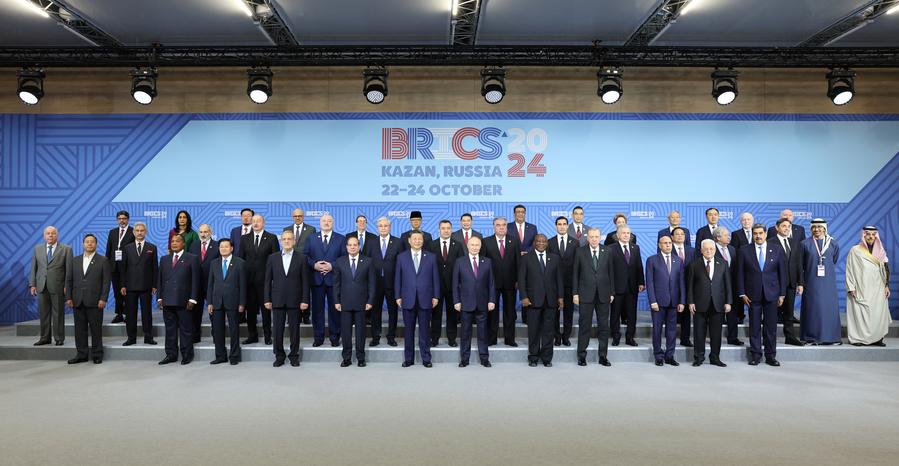
“The collective rise of the Global South is a distinctive feature of the great transformation across the world,” Xi observed when addressing the “BRICS Plus” Dialogue held in Kazan, Russia, in October last year.
Much more than a pure geographical or economic term, the Global South refers to a community of emerging markets and developing countries that share similar historical experiences, development stages and goals, and political pursuits.
The concept of “South” was first coined in Antonio Gramsci’s work “The Southern Question” written in 1926, in which the Italian Marxist philosopher highlighted the development gap between northern and southern Italy.
The rise of the Global South has been decades in the making. Back in 1955, the landmark Bandung Conference convened in Indonesia under the flag of solidarity, friendship and cooperation, marking the awakening of the Global South after centuries of Western colonial rule. In 1964, the Group of 77, a coalition of developing countries, was established in Geneva within the United Nations to promote South-South cooperation and form a new international economic order.
Through extensive cooperation, the countries of the Global South have emerged as a key driver of global growth. These countries have contributed as much as 80 percent of global growth over the past 20 years, with a share of global GDP increasing from 24 percent four decades ago to more than 40 percent today.
China, the world’s largest developing country, is a natural member of the Global South. In 2004, the United Nations Development Programme included China in its list of more than 130 Global South countries in a report titled “Forging a Global South.” Some Westerners have challenged China’s position that it is part of the Global South. In response, Xi has provided a clear answer.
“As a developing country and a member of the Global South, China breathes the same breath with other developing countries and pursues a shared future with them,” Xi once said.
Historically, China has suffered from Western colonialism and imperialism, much like other developing countries, said Cavince Adhere, a Kenya-based international relations scholar.
“Even today, despite inordinate success by Beijing to rise from the backwaters of development to be the second-largest economy in the world, as well as the first developing country to eliminate extreme poverty, China still faces common development challenges, and holds similar views regarding the current international order and global governance,” he added. “Because of this, China has emerged as a strong champion for the legitimate rights and interests of many Global South countries.”
LEAVING NO ONE BEHIND
Ahead of Xi’s state visit to Brazil late last year, the Portuguese edition of the book “Up And Out Of Poverty” was officially launched in Rio de Janeiro. The book, first published in 1992, outlines Xi’s perspectives on poverty eradication, local governance, reform and development when he worked in the formerly impoverished prefecture of Ningde in China’s southeastern Fujian province.
Poverty has long ranked atop among the problems facing the Global South. With Xi’s steadfast commitment and strong leadership, China has eradicated absolute poverty in its rural areas, a feat that no one had accomplished in China for thousands of years.
At the G20 Summit in Rio de Janeiro last year, Xi spoke with quiet conviction, recounting his lifelong dedication to poverty alleviation, from his time as a local official to his current role as China’s top leader.
In his speech, Xi said a weaker bird can start early and fly high. “If China can make it, other developing countries can make it too. This is what China’s battle against poverty says to the world,” he said.
Xi’s “weaker bird” metaphor originated from his book on poverty. His speech struck a chord with several foreign leaders, who asked the Chinese delegation whether they could share a copy of the speech.
The Chinese leader has placed great emphasis on development. For him, “development holds the master key to solving all problems,” particularly when the global development gap continues to widen. Over the years, Xi has also been active in rallying global efforts to put development back on the international agenda as a central priority.
When attending the general debate of the 76th session of the UN General Assembly in 2021 via video, Xi proposed the Global Development Initiative, an international policy framework to promote sustainable development around the world. To date, the initiative has garnered the support and participation of over 100 countries and 20 international organizations.
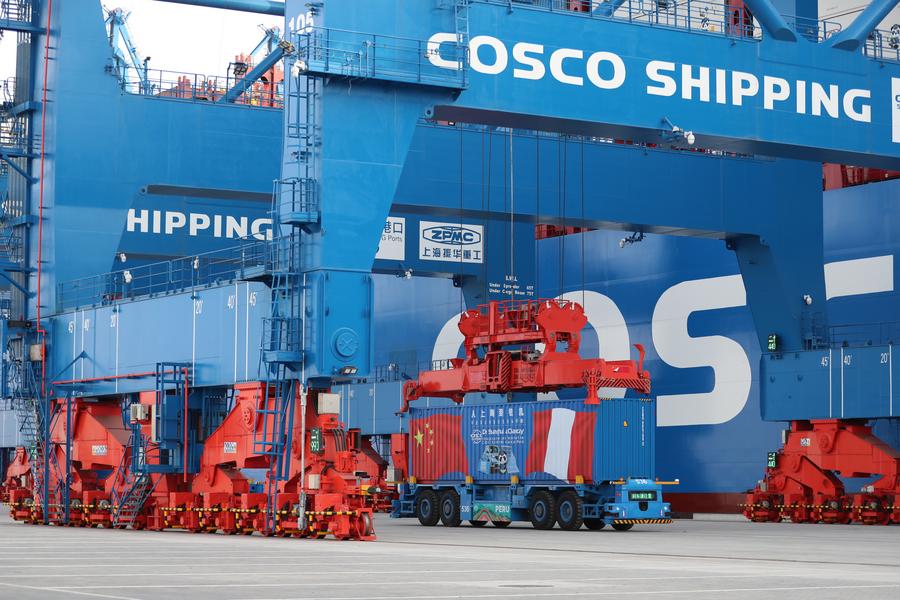
To boost common development in the Global South, Xi has been promoting practical cooperation through major infrastructure projects within the Belt and Road Initiative. During his foreign visits over the years, Xi would launch or visit major projects, such as the Chancay Port in Peru, the Dushanbe No. 2 power plant in Tajikistan and the Colombo Port City in Sri Lanka. When hosting leaders of the Global South in Beijing, Xi would also discuss with them major projects for cooperation during their talks.
Xi believes that the Global South should be the main driving force for common development and that “On the path to modernization, no one, and no country, should be left behind.” He also supports countries of the Global South exploring paths of modernization tailored to their distinctive national conditions, rather than following Western development models.
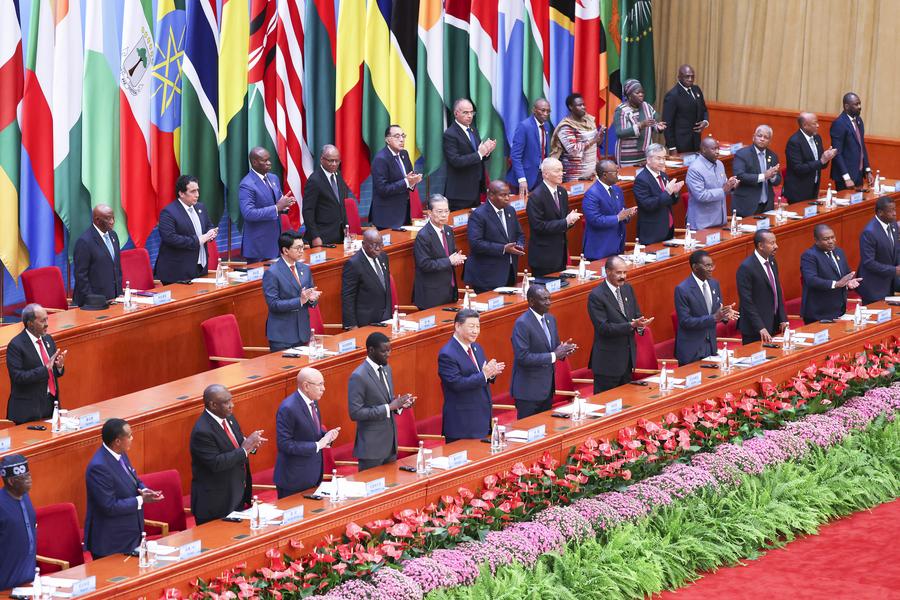
Also at last year’s G20 summit in Rio de Janeiro, Xi outlined eight measures in support of Global South cooperation, ranging from high-quality Belt and Road cooperation to boosting development in Africa. Months earlier, at the Forum on China-Africa Cooperation in Beijing last year, Xi unveiled 10 partnership actions and granted zero-tariff treatment on all product categories to the least developed countries with which it has diplomatic relations.
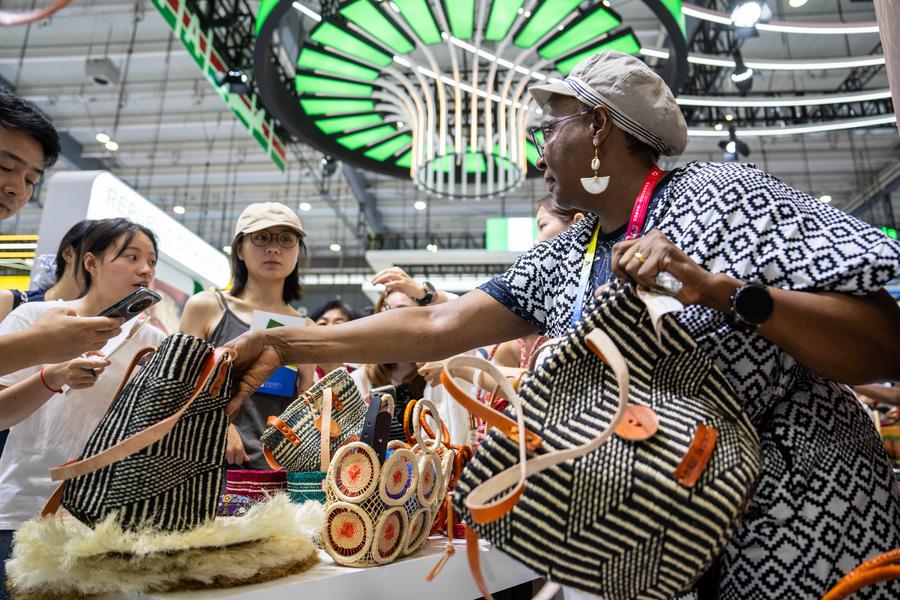
Gu Qingyang, associate professor at the Lee Kuan Yew School of Public Policy at the National University of Singapore, said, “China can play a positive role in the development of Global South countries,” adding that Chinese technology and expertise in industrial development can support the modernization of the Global South’s various regions.


